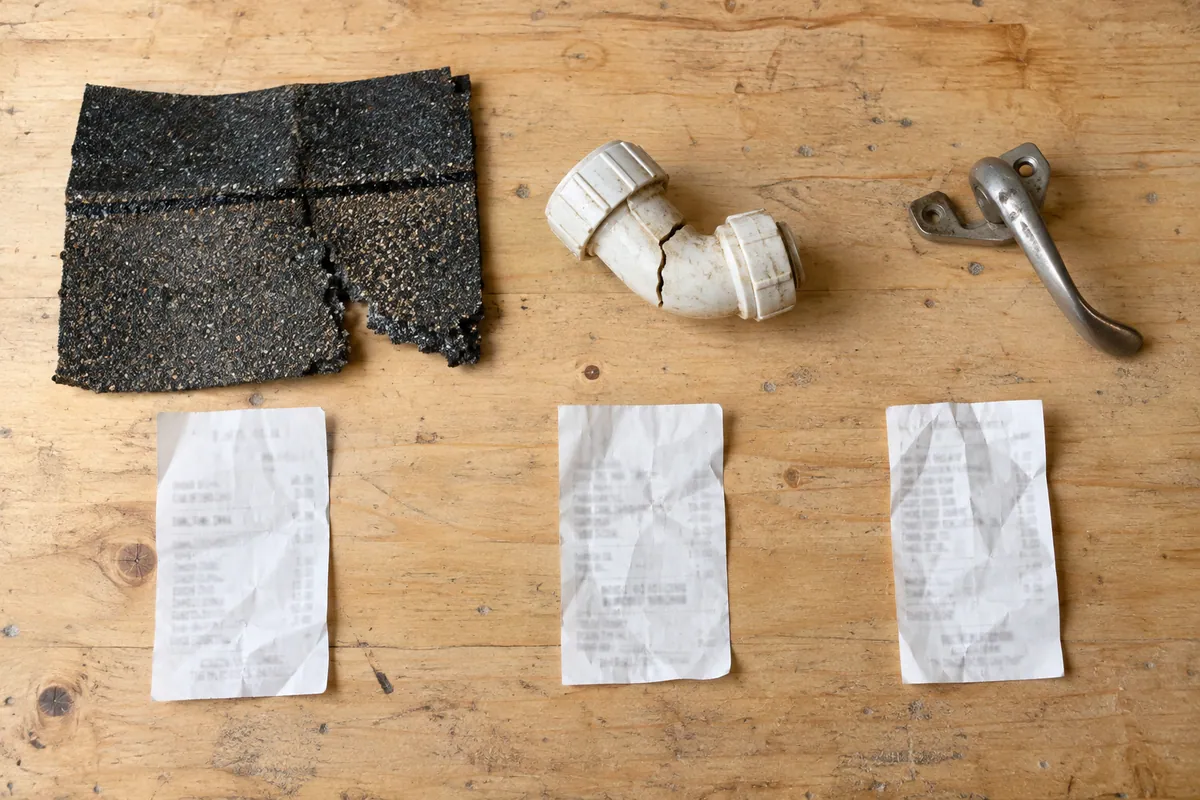
Why a fixed claims limit is misleading
A statement such as "two claims means you will be dropped" leaves out essential information. It does not identify the insurer, state, policy action, kind of loss or time period. It may describe one company's eligibility rule, an agent's experience with a particular program, or a misunderstanding of a state protection.
New-business eligibility and renewal decisions are also different. A company may be willing to continue an existing policy under circumstances in which it would decline a new application. Likewise, a state restriction on using certain claims for nonrenewal does not necessarily describe every rule for pricing or issuing a new policy.
When someone gives you a number, ask what decision it applies to and who supplied the rule. That question turns a broad warning into information you can verify. Avoid reorganizing your insurance plans around a cutoff that has not been tied to your actual situation.
Look at the pattern behind the count
The cause of each loss
A hail loss, a plumbing leak and an injury allegation describe different exposures. Even losses sharing a broad label may have different causes. Water from a burst supply line is not the same problem as water entering through damaged roofing. Provide the specific cause shown in the claim records when it is known.
If the cause remains disputed, say so. Guessing can make the application harder to reconcile with an adjuster's report or contractor findings. A short explanation of what is confirmed and what remains uncertain is more useful than a confident but inaccurate description.
Timing and recurrence
Separate events close together may prompt questions about whether a continuing condition is producing repeated damage. A longer gap can tell a different story. However, no particular interval guarantees acceptance or makes a claim irrelevant to every insurer.
Create a chronological record before applying. Include the loss date rather than only the day a check arrived. If multiple payments relate to one event, identify that relationship clearly. A payment history is not automatically the same thing as a count of separate losses.
Current condition and completed repairs
A claim describes a past event, while an insurer is also considering the home it would cover now. Explain whether damaged systems were repaired, replaced or left in service. Include evidence that addresses the source of the damage, not just photographs of a repainted room.
For example, an invoice showing replacement of a failed supply connection and a restoration completion report answer different questions. One addresses the cause; the other documents the resulting repairs. Providing both can make the condition of the property easier to understand without promising that the insurer must accept it.
Compare three hypothetical claim histories
The following examples illustrate why identical counts can require different follow-up questions. They do not predict approval, pricing or an insurer's internal scoring.
| Hypothetical history | Useful follow-up | Supporting information |
|---|---|---|
| Two water losses in one area | Did one unresolved source contribute to both events? | Plumbing findings, repair invoices and dates |
| A hail loss and an unrelated theft loss | What happened in each event, and what property conditions remain? | Claim summaries, roof documentation and relevant updates |
| Two entries that appear to describe one fire | Are these separate losses, related entries or a reporting error? | Claim numbers, loss dates and insurer clarification |
Do not combine separate events merely because they happened close together or involved the same room. Conversely, do not assume every line on a report represents an independent occurrence. Resolve the facts with the reporting insurer so the application presents an accurate history.
Claim amounts do not tell the whole story
The amount paid is useful context, but it does not answer whether a problem might recur or whether repairs are complete. A large payment may reflect an expensive event that has been fully addressed. A smaller payment may leave a question about an unresolved condition. Neither situation establishes an automatic underwriting outcome.
Distinguish the insurer's payment from the contractor's total bill, the deductible and money you paid yourself. If asked for an amount, confirm which figure the application requires. A rough estimate presented as an official payment amount can create a discrepancy that requires additional explanation.
Claim frequency also should not be reduced to a moral judgment about the homeowner. You may have used your policy for covered losses and still face a difficult market. Focus on accurate documentation and available coverage choices instead of assuming the process means you did something wrong.
Check state protections before accepting a blanket answer
State insurance rules can limit how particular claims are used. Those restrictions may depend on the type of claim, the insurer action and required notices. Obtain guidance for the state where the home is located and describe the exact action the company is proposing.
Ask the insurer which losses it counted and how it classified them. If an agent says a claim is excluded from consideration, ask whether that statement applies to this company's new-business eligibility, renewal decision or pricing. The distinction matters when you are comparing a renewal notice with a fresh application elsewhere.
If you believe a company has used a claim in a prohibited way, request an explanation and contact your state insurance department. Keep shopping while you seek clarification; a disagreement about how claims were counted does not itself establish that your current policy will continue.
Prepare a claim summary that an agent can use
- List each known occurrence chronologically with its date and property address.
- Record the cause, claim number, insurer and current status.
- Separate paid amounts from estimates or total repair costs.
- Describe the repairs and identify any work that remains unfinished.
- Flag possible report errors with the evidence supporting your concern.
- Provide the current policy end date and any written nonrenewal reason.
Keep explanations factual and brief. "The failed connector was replaced on the invoice date, and restoration was completed" is more useful than "This could never happen again." An insurer may ask additional questions, but you have made it easier to begin an informed review.
Ask your agent which available markets can consider this particular history. A productive answer explains the next information needed or the reason a market cannot proceed. Repeatedly submitting incomplete applications can waste the time available before a policy expiration.
Make future claim decisions using the loss itself
Do not treat a supposed claims allowance as a budget to use or a reason to conceal damage. For a small property loss, compare a reliable estimate with the applicable deductible and consider what remains uncertain. Follow policy requirements for notice and protection against further damage.
For potentially serious damage or liability, seek prompt guidance. A claim that appears small can develop as additional damage or injury information becomes known. Your decision should reflect the facts and contractual duties, not an internet rule about how many claims you are permitted to have.
For future renewals, review maintenance needs that relate to the losses you actually experienced. Keep accessible records of completed work and choose deductibles you can afford. These steps help you manage the home and describe it accurately, even though they cannot guarantee acceptance by a particular insurer.
Continue with a related guide
Frequently asked questions
Is two home insurance claims too many?
There is no universal answer. Two claims can involve very different causes, timing, repair status and property conditions. Insurer eligibility rules and state protections also differ. Ask which specific rule applies to your policy or proposed application instead of relying on the count alone.
Does every insurer count claims the same way?
No universal counting method applies to every decision. Ask how a company treats the specific occurrences, including related entries, losses at another property and claims without payment. Provide accurate records and obtain clarification rather than deciding on your own that an entry does not count.
Can one large claim be less concerning than several small claims?
It can raise different questions, but no fixed comparison predicts the result. The cause, recurrence, completed repairs and insurer criteria all matter. Present the actual circumstances of each loss rather than assuming either total dollars or claim frequency will control every decision.
Do weather claims count toward a claims limit?
Treatment depends on the state, company and type of decision. Do not assume all weather claims are ignored or all are treated like nonweather losses. Ask whether specific state protections apply and how the insurer classified each event in your actual history.
Do claims with no payment matter?
They may still appear in loss records and prompt questions. A zero payment can have several explanations, so obtain the insurer's documented reason and current status. Do not assume that receiving no money means the occurrence can be omitted from an application that asks about it.
Will a higher deductible erase my existing claims?
No. Changing a deductible changes the portion of a future covered loss you retain under the policy; it does not remove past claims. Ask how a proposed deductible affects the quote and choose an amount you could reasonably pay if another loss occurs.
Should I wait for a claim to get older before shopping?
Do not let current coverage expire while waiting for a hoped-for cutoff. Ask an agent about available options now and whether a later review could be useful. The date a company stops considering a loss depends on its rules and is not a nationwide guarantee.
What is the best first step if I have several claims?
Gather the actual loss details and any nonrenewal notice, then prepare a concise chronological summary with proof of repairs. An agent can use that information to assess available markets. This is more productive than beginning with an unsupported assumption that every insurer will decline.
Consumer resources
These resources provide background. State-specific examples do not create a nationwide rule.